×

iFour Logo
13+

Years of Technology Experience

95%

Success Ratio

120+

Creative nerds under one Roof

400+

Projects Delivered

Custom Software Challenges

Common Challenges that Prevent Your Business Growth

Existing software may not keep up with changing business needs. Our custom app development services address these challenges with solutions tailored to your workflows.

  • Ready-made tools may lack essential features.
  • Repetitive manual tasks increase time and errors.
  • Existing systems may struggle as businesses grow.
  • Legacy software can be costly to maintain.
  • Security gaps can expose sensitive business data.
  • Limited reporting can affect decision-making.
  • Poor user experience can reduce employee productivity.
  • Compatibility issues can disrupt existing workflows.
  • Rising licensing costs can increase long-term expenses.
  • Limited customization can make changing business processes difficult.
  • Performance issues can affect application reliability.

Our Customer

Enagic
Biocon
Diligent
TBWA
WGE Equipment Solutions
Spearity
Stand Up
LOEK
LedgerLeopard
The Floow
Move4U
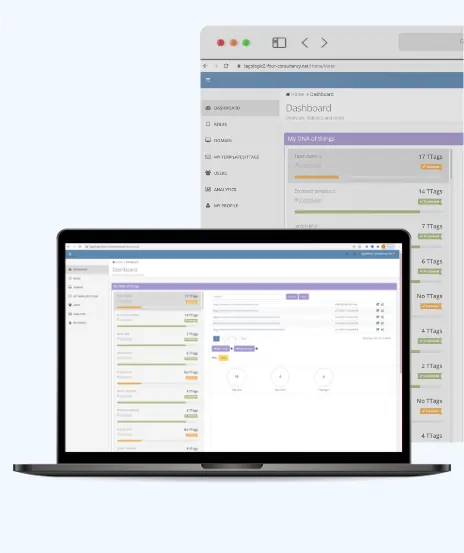
Tagologic
Inimco
NetSourcing
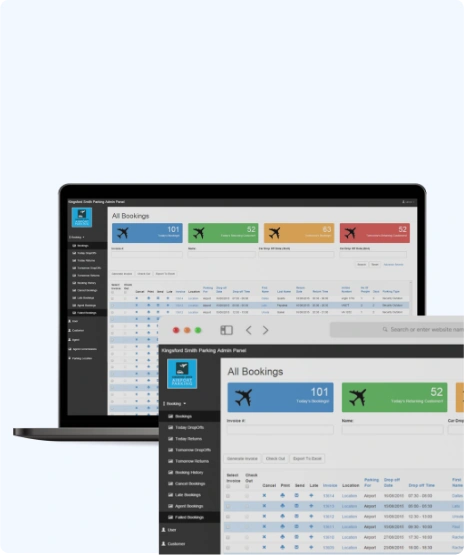
Airport Parking
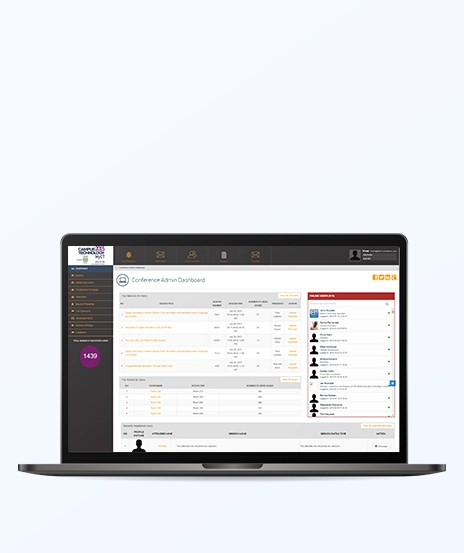
AMC Technology
WCPRO
Manning Audiology
Old Bar
Health Four
Progrestro
Kos Inc
Kiwanis
CNC Physio
Dharma
Client Success Stories

See how we've transformed businesses with custom software solutions


Custom Software Development Services

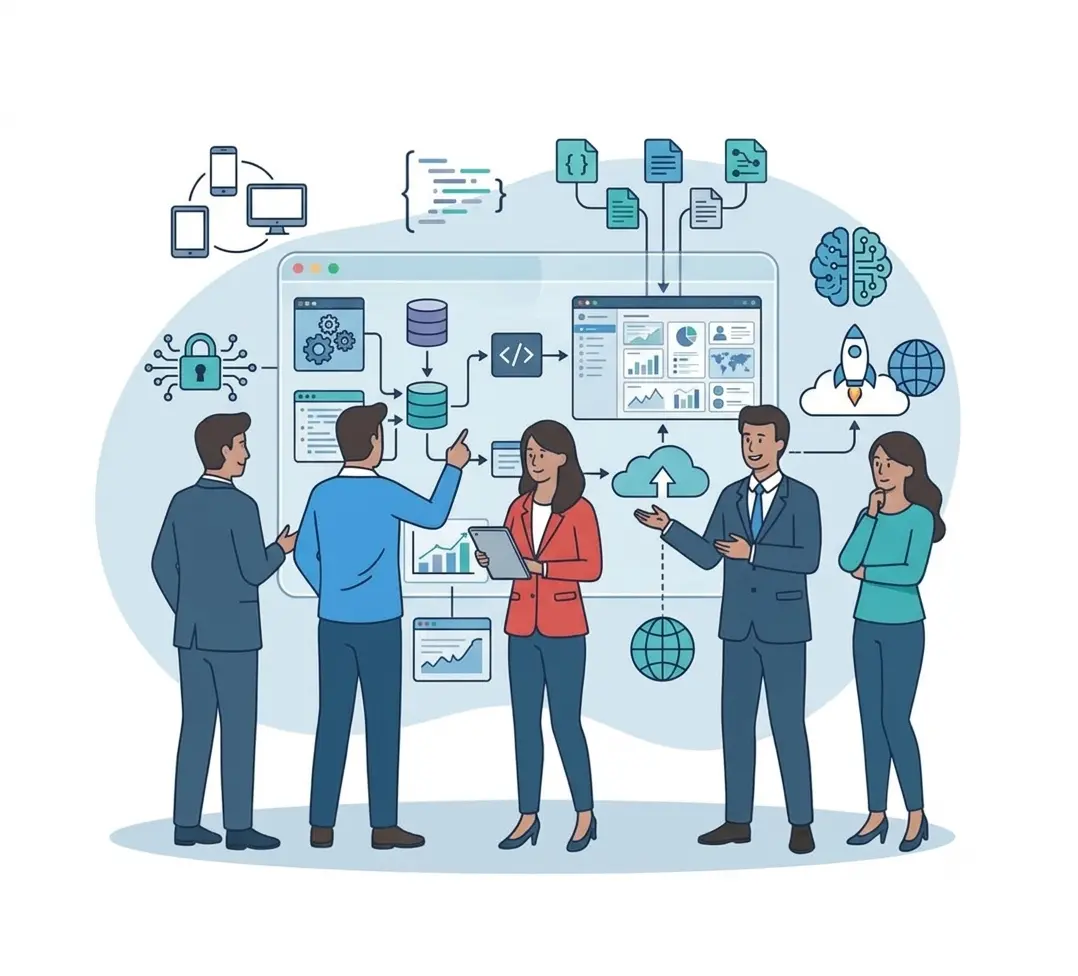
Every business has different goals, processes, and challenges. Standard software may not always provide the features or flexibility you need. Our custom software development services help you build applications around your business requirements, existing systems, and future plans.

Custom Software Consulting

Not sure which software solution fits your business needs? Our team can help you define requirements, identify essential features, assess technical options, and plan the development process. This gives you a clearer understanding of the solution before development begins.

Custom Application Development

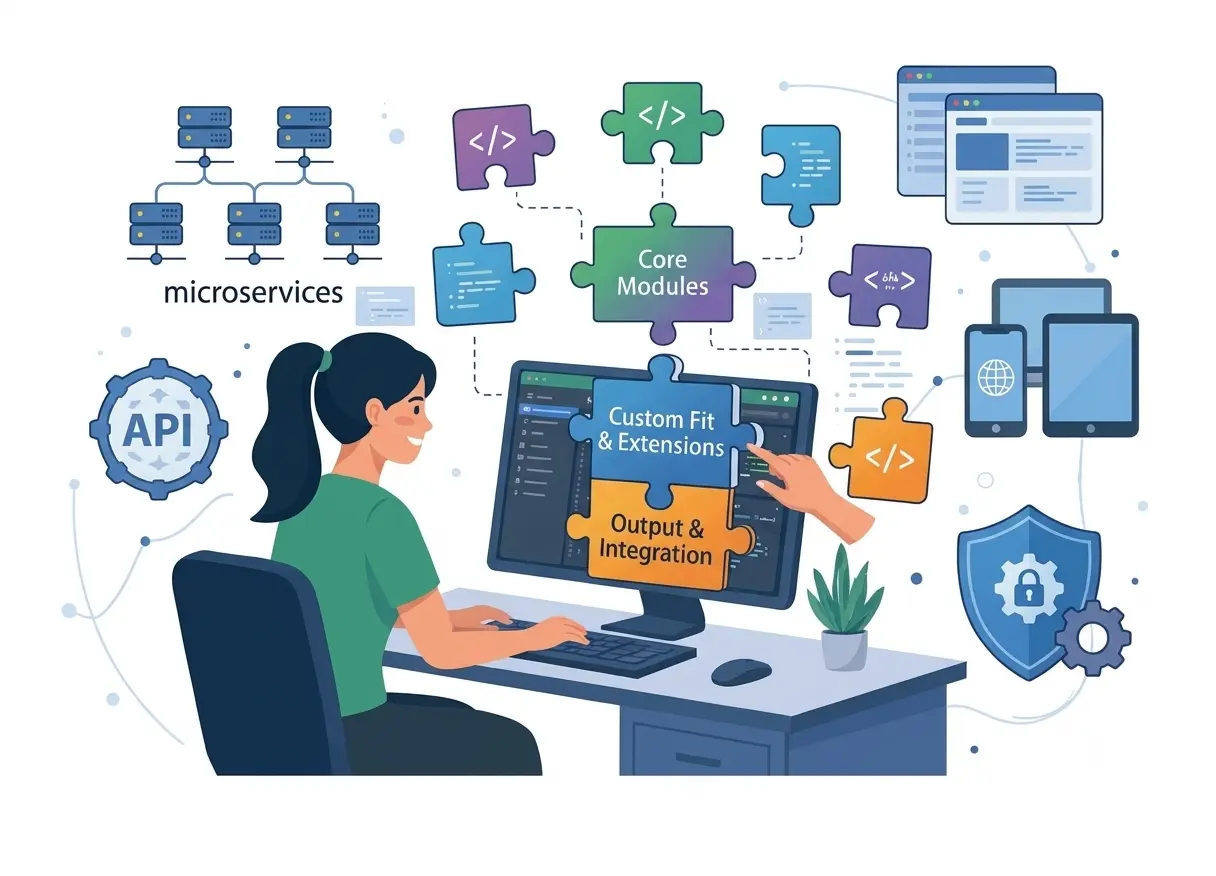
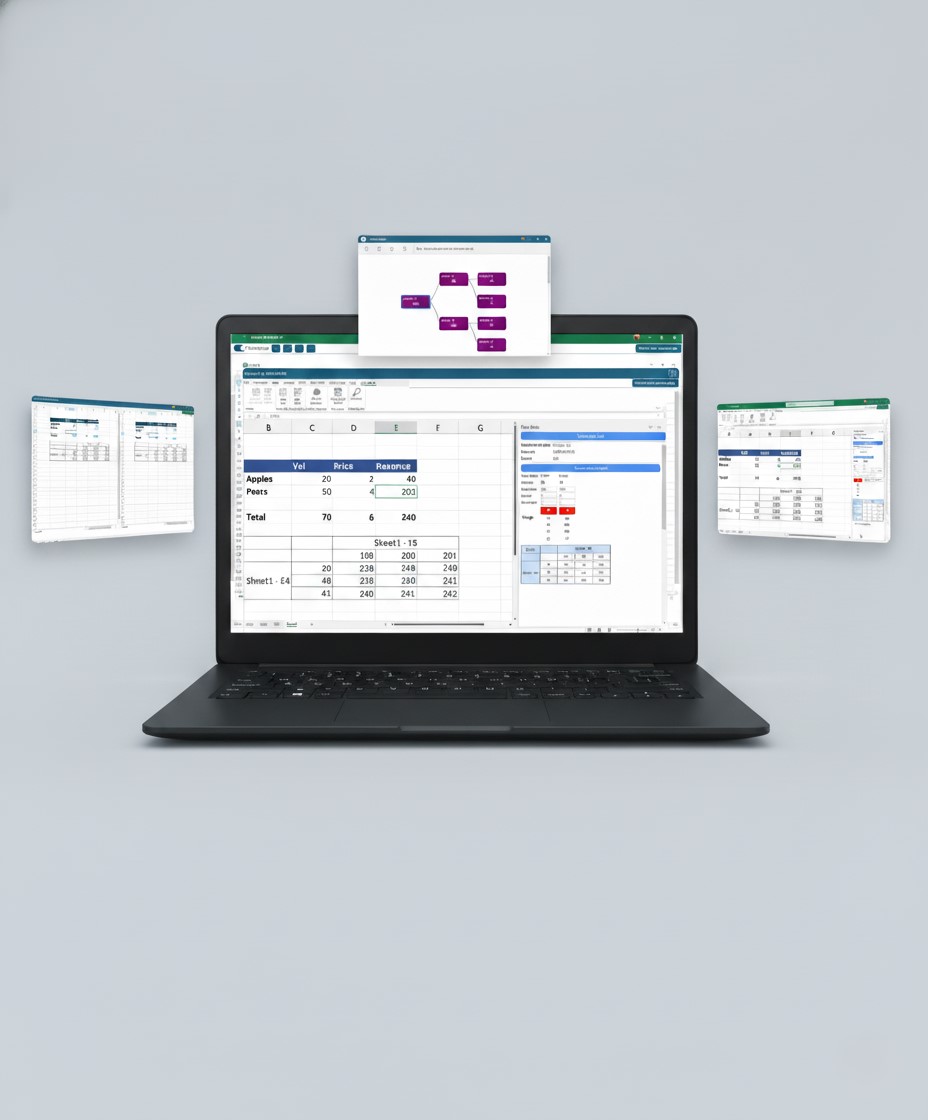
We develop applications around your business processes, users, and operational requirements. Custom applications can help manage business information, streamline workflows, reduce manual tasks, and support activities that standard software may not fully address.

Web Application Development

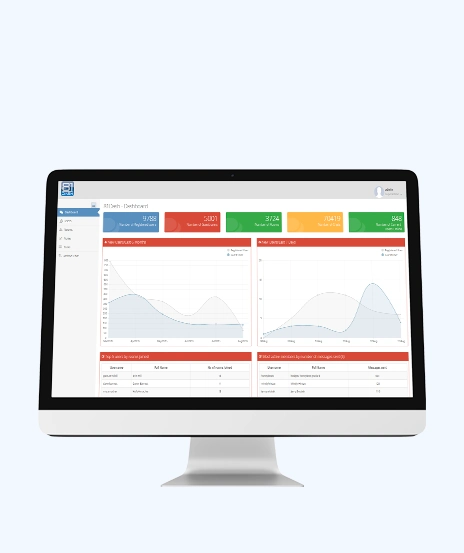
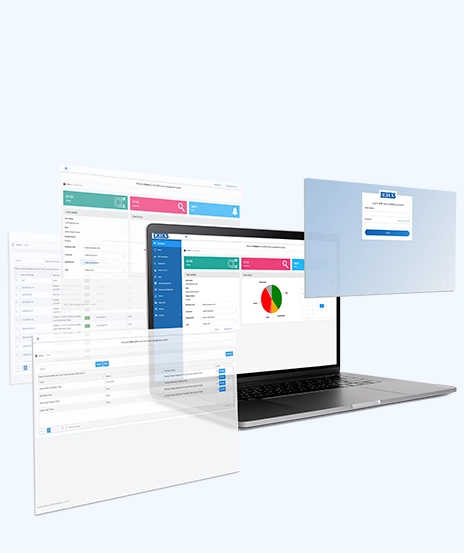
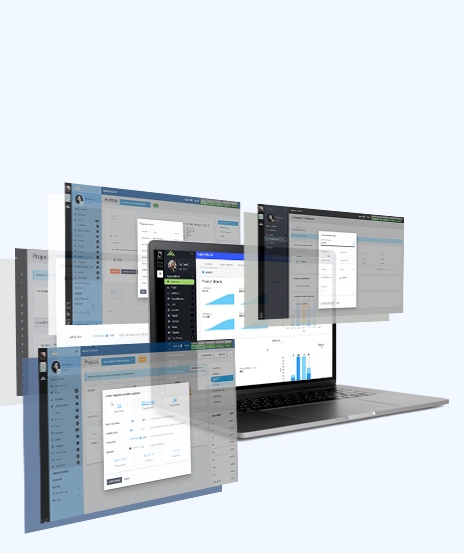
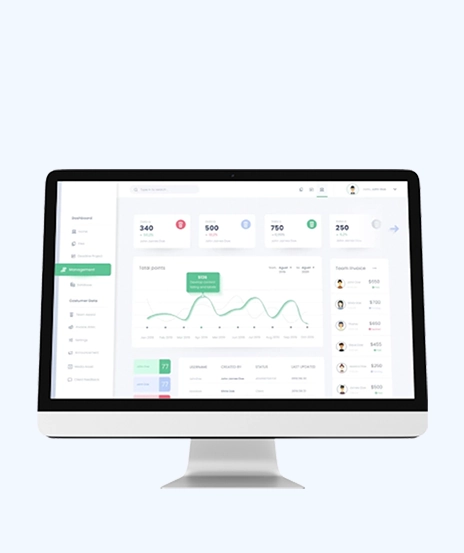
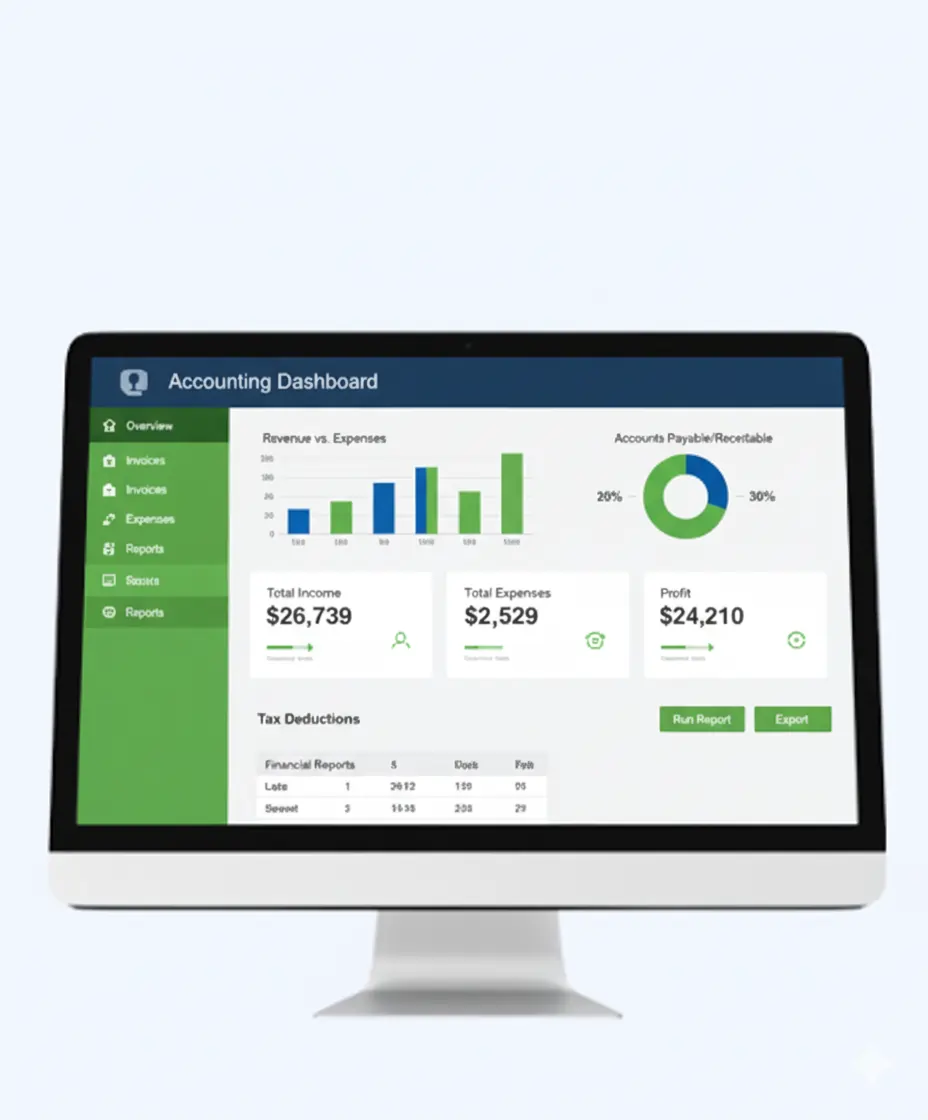
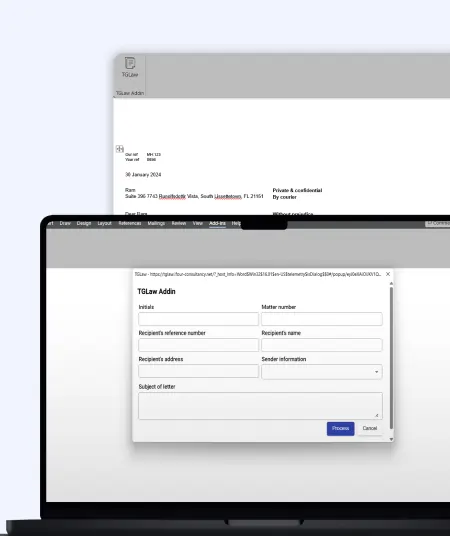
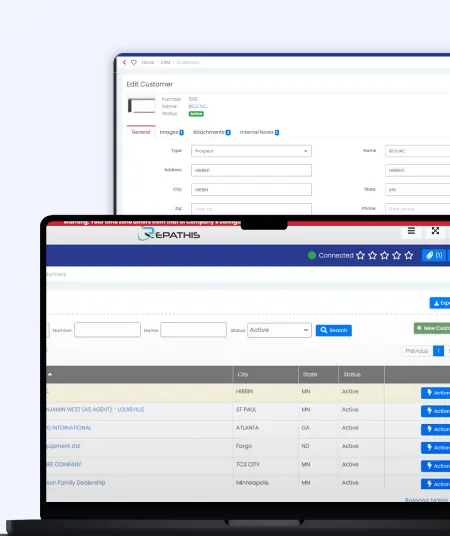
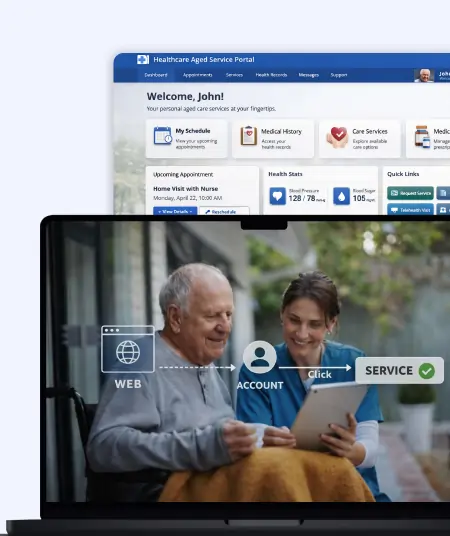
We build web applications that users can access through a browser. These may include customer portals, business BI dashboards, management systems, and online platforms. Our approach considers usability, functionality, and integration with your existing business systems.

Mobile Application Development

We develop mobile applications based on your business goals and target users. Whether you need an application for customers or internal teams, the features and user experience are planned around your requirements and the supported mobile platforms.

Desktop Application Development

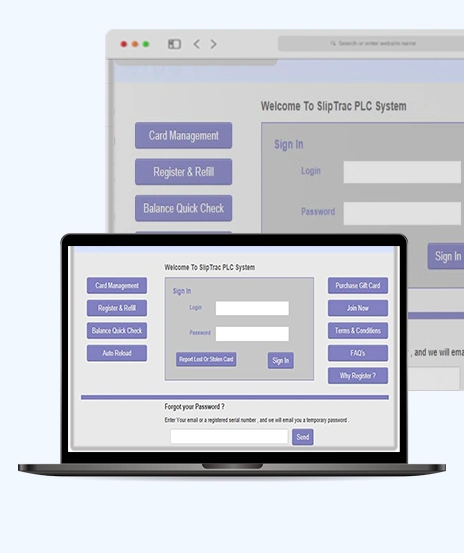
Some business operations require applications designed for desktop environments. We develop desktop software for tasks such as data management, reporting, and specialized workflows, with functionality suited to your users and operating environment.

Cloud Application Development

Cloud-based applications can help teams access business tools and information across locations. We develop cloud application solutions based on your scalability, integration, performance, and data requirements to support changing business needs.

Enterprise Software Development

Large organizations often need software to coordinate departments, manage complex workflows, and connect business systems. Our enterprise software development approach focuses on operational requirements, system integration, and application scalability.

Software Product Development Services

Have an idea for a software product? We can help plan and develop an application around your target audience, core features, and business objectives. The process may include requirement analysis, design, development, testing, and preparation for launch.

API Integration Services

Connect your applications with existing business tools and third-party platforms through suitable APIs. Software integration can improve data exchange, reduce duplicate data entry, and help teams work with information across connected systems.

AI-Powered Software Development

AI-powered software can help businesses automate selected tasks, process information, and improve how users interact with applications. We can help identify suitable AI use cases and plan features based on your business objectives, data, and technical requirements.

Business Intelligence and Analytics Solutions

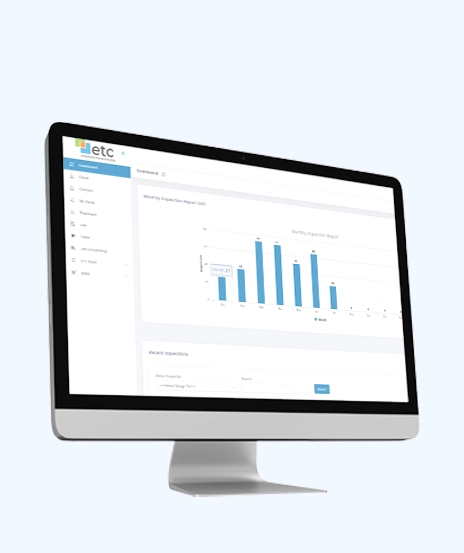
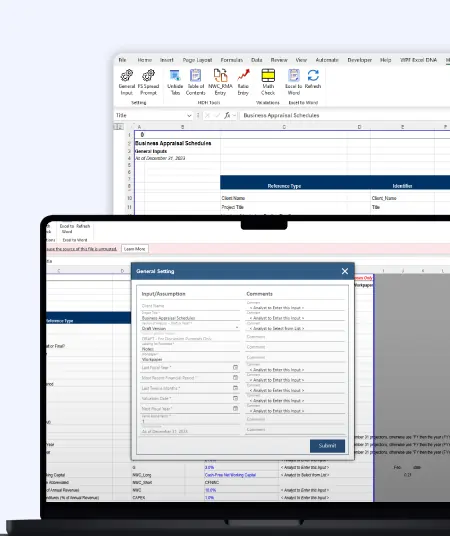
Make business information easier to understand by reporting dashboards and data visualization solutions. These applications can help teams monitor relevant metrics, review performance, and use available data to support business decisions.

Business Workflow Automation

Reduce repetitive work by automating suitable business processes, approval steps, notifications, and data transfers. Workflow automation can help teams save time, improve consistency, and focus on activities that require human judgment.

call to action

Choose iFour for smart desktop applications development that simplifies workflows and meets your business needs.

  • Software Designed for Your Business Needs

    Custom software development allows you to build applications based on your business processes and goals. You can choose the features, user roles, and workflows that suit your team instead of adjusting your processes to fit standard software.

  • Automate Repetitive Business Tasks

    Custom business software development can automate tasks such as data entry, report creation, notifications, and approval workflows. This helps reduce manual work, save time, and let your team focus on more important tasks.

  • Integrate With Your Existing Systems

    Custom application development can connect your software with existing tools, such as CRM systems, accounting platforms, and reporting applications. These integrations help teams share data more easily and reduce the need to enter the same information in multiple systems.

  • Scale Your Software as Your Business Grows

    Custom software solutions can be designed to support new users, features, and business needs over time. With suitable planning and architecture, your application can adapt as your operations expand or your requirements change.

  • Set Security Measures for Your Requirements

    Custom software development gives you more flexibility to define access permissions and security controls based on your business needs. Measures such as secure authentication, role-based access, and data protection can help protect business information when implemented and maintained properly.

When Does Your Business Need Custom Software?

Consider custom software development when existing tools cannot meet your business needs or separate systems make workflows difficult. It may be the right choice if:

  • Manual tasks take up too much time, leaving your team with less time for important work.

  • Your current software doesn’t meet your needs because it lacks the features your business requires.

  • Your business tools aren’t connected, making it difficult to share data and keep information consistent.

  • Maintaining your existing software is becoming challenging, especially when updates or new features are needed.

  • You want to turn a software idea into reality with features designed for your target audience.

  • Your business is growing faster than your systems can handle, creating a need for more flexible software solutions.

Business Custom Software Needs
call to action

Partner with iFour for smooth, stress-free custom software development experience.

⚙️

Our Custom Software Development Process

A clear development process helps you understand what is being built, why it is needed, and how the project will move forward.

Understand Your Requirements

We start by discussing your business goals, current challenges, target users, and expected results. This helps define the problem the software needs to solve and the features required for the project.

Plan the Solution

Based on the requirements, we define the project scope, key features, technical needs, and development priorities. We also consider the required integrations, expected usage, and possible challenges.

Design the User Experience

We plan how users will move through the application and interact with its features. The goal is to make the software clear and easy to use while supporting the tasks users need to complete.

Develop the Software

Our developers build the application according to the agreed requirements and technical plan. Depending on the project, this may include frontend development, backend functionality, database design, and system integration.

Test the Application

Testing helps identify issues before the software reaches users. Depending on the project, testing may cover functionality, usability, performance, integrations, and security requirements.

Deploy the Software

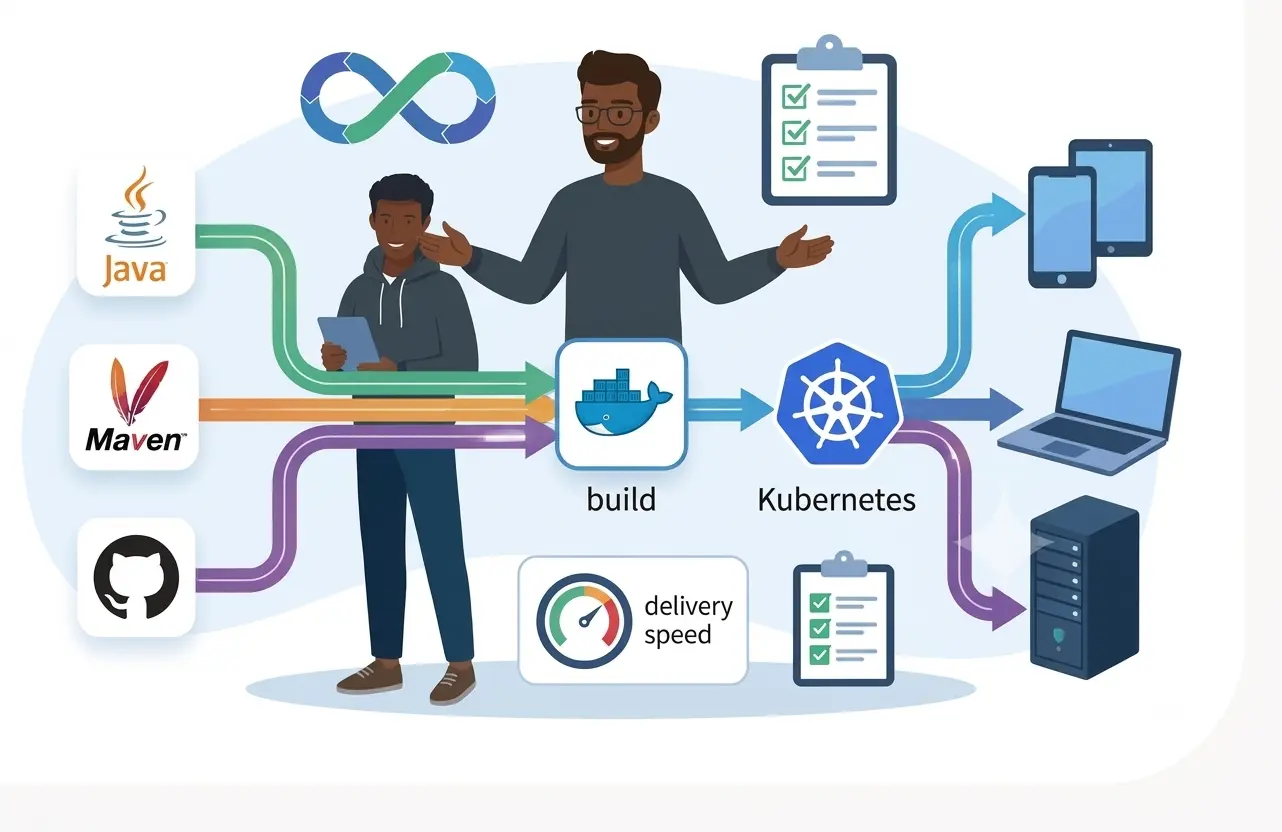
Once the required checks are complete, the software is prepared for release in the agreed environment. Deployment planning may include configuration, data migration, documentation, and user preparation.

Maintain and Improve the Software

After launch, the application may need bug fixes, security updates, performance improvements, and new features. Ongoing support helps the software remain useful as your business requirements change.
  • Clear Communication and Project Coordination

    Clear communication helps keep software projects aligned with business goals. We discuss requirements, review priorities, and share project updates so you can understand the progress and provide feedback throughout development.

  • Flexible Engagement Models

    Our engagement options can accommodate different project scopes and working needs. Depending on your requirements, you can explore a fixed-price model, a dedicated development team, or hourly engagement. We can discuss suitable option based on your project scope, budget, timeline, and expected level of flexibility.

  • Focus on Software Quality and Testing

    Testing helps check whether an application works according to its requirements. We consider the project's functionality, integration, usability, performance, and security needs when planning appropriate testing activities. This helps identify issues before release and supports a more reliable application.

  • Maintenance and Support After Launch

    Software may need updates as business requirements and technology change. We can discuss software maintenance and support services for bug fixes, updates, performance improvements, and new features, based on the agreed project scope.

Custom Software Development Engagement Models

The right engagement model depends on how clearly your requirements are defined, how much flexibility you need, and how you want to manage the development budget.
  • Fixed-Price Model

    A fixed-price model may suit projects with clearly defined requirements and deliverables. The scope, milestones, timeline, and payment terms should be agreed upon before development starts. Changes to the agreed scope may require a separate review.

  • Dedicated Development Team

    A dedicated team may suit businesses that need ongoing development or regular feature updates. You can work with a team focused on your project and plan work according to your priorities.

  • Hourly-Based Model

    The hourly model suits projects with changing or unclear requirements, with costs based on agreed rates and development hours. Our team can help you choose the right engagement model.

Software Development Models
Build Custom Software

Build Custom Software That Meets Your Business Needs

The right software can help your business manage work more effectively, connect systems, and respond to changing needs. iFour works with businesses to understand their challenges and develop software solutions based on their requirements.

Whether you want to build a new application, improve an existing system, or develop a software product, start by discussing your goals and the problems you want to solve.

Our Portfolio

Take a look at our latest projects, where digital transformation comes to life.

01/77

Hire iFour custom app developers and transform your business processes

Discuss Your Requirements
contact team
talk with team
 
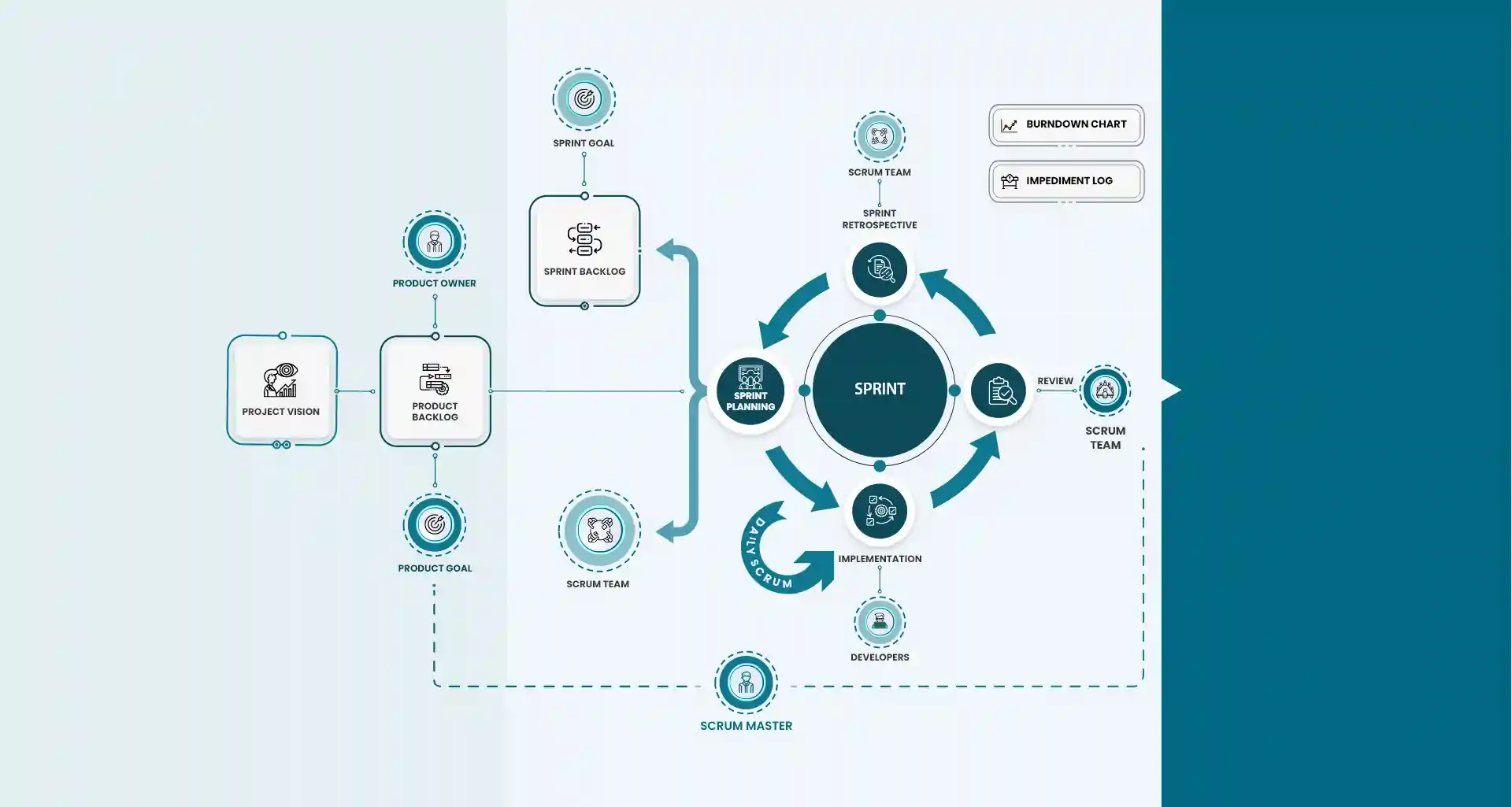
Our Agile approach
agile approach

Project Sign-off

 
Media
coverage
  • b.

  • Databox

  • Hackernoon

  • Rasmussen College

  • BestCompany

  • CMS Wire

  • Solution Suggest

  • CloudWays

  • OutwitTrade

Start here — it only takes a minute

Consultant Free Consultation

FAQs About Custom Software Development

A custom software development company builds applications based on a business's specific needs. This can include planning, design, development, testing, integration, deployment, and maintenance.

The cost depends on the project's size, features, technical complexity, integrations, testing needs, and ongoing support requirements. A smaller application with limited features will generally require a different budget from a large enterprise system. A clear scope and project estimate help you understand the expected investment.

The timeline depends on the number of features, the complexity of the application, the integrations required, and how quickly decisions and feedback are provided. A smaller application may take less time than a complex business platform. The development team should estimate the timeline after reviewing the requirements.

Custom software development helps businesses build applications around their specific needs and workflows. It can improve operational efficiency through automation, connect existing business systems, support future growth, and provide greater control over security measures. Custom software can also deliver long-term business value when its features align with business goals, and its development and maintenance costs are well managed.

It depends on your needs. Ready-made software may be suitable when it already supports your workflows and budget. Custom software may be a better fit when you need specific features, complex integrations, or greater control over how the application develops.

Yes, custom software can be designed to connect with existing applications through APIs and other integration methods where supported. The available options depend on the systems, their interfaces, access permissions, and technical limits.

Ownership of source code, intellectual property, and related materials depends on the agreement between the client and iFour. Before the project begins, we clarify ownership, third-party licenses, documentation, and handover terms and conditions.

Security requirements depend on the application and the data it handles. Project planning may include access controls, secure authentication, testing, data protection, and other suitable safeguards. Specific security measures should be agreed upon based on the project's risks and requirements.

Post-launch support can include bug fixes, updates, maintenance, and further development, depending on the agreed service scope. Discuss support requirements and respond to expectations before the project is completed.

Review the company's relevant project experience, technical skills, client feedback, communication process, development approach, and support options. Ask how it will understand your requirements, estimate the work, handle changes, and measure whether the finished software meets your goals.

 
Blog Our insights
Next-Gen Programming Languages: Shaping the Future of Software Development in 2024

07 March 2024

Kapil Panchal

Next-Gen Programming Languages: Shaping the Future of Software Development in 2024

Introduction Imagine standing in line at the grocery store, waiting to pay for groceries. You pull out your phone and scan each item’s barcode with a single tap. This seemingly...

20 Essential DevOps Tools That Businesses Should Embrace In 2024

19 January 2024

Kapil Panchal

20 Essential DevOps Tools That Businesses Should Embrace In 2024

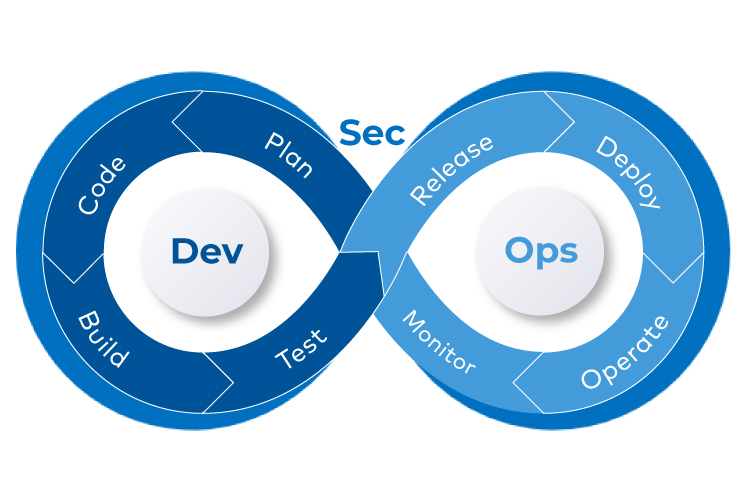
Before navigating into the world of DevOps, it's important to know what DevOps is exactly. DevOps is a methodology that uses continuous integration, continuous delivery, and automation to shorten the software delivery lifecycle (SDLC). More than just a set of practices, DevOps embodies a culture and a philosophy that bridges the gap between developers (Dev) and IT operations (Ops) teams.

Microsoft PowerApps Development: Is It A Low-Code Or No-Code Approach

10 January 2024

Kapil Panchal

Microsoft PowerApps Development: Is It A Low-Code Or No-Code Approach

Microsoft PowerApps has become the preferred digital solution, particularly for non-tech clients. It is a simple and easy-to-use app development platform that does not require much coding and can help you create personalized apps effortlessly with drag-and-drop capabilities.