












































Top AI Frameworks Recommended on Reddit For Enterprise Use
Quick Summary: Choosing the right AI framework depends on your goals. TensorFlow and PyTorch are ideal for deep learning, while LangChain, LlamaIndex, AutoGen,...


601 & 612, The Times square Arcade, Near Baghban party plot, Thaltej - Shilaj Road, Thaltej, Ahmedabad, Gujarat - 380059
A leading healthcare IT consulting company in Portugal was struggling with fragmented, paper-based workflows that slowed down care and made coordination difficult.
This case study shows how iFour built a centralized Patient Management Platform (Digital patient records system) to solve that problem.
What it did is - it unified patient records, scheduling, and clinical operations while enabling secure data exchange across healthcare networks.
This helped them with faster workflows, better visibility, and truly connected care.
Impacts Observed:
Faster efficiency
Better coordination
Lower overhead
Quicker visibility
Unified networks
A Portugal-based medical firm helps hospitals and clinics digitize hospital workflows - moving from paper-based processes to modern digital systems.
They've built strong ties with healthcare networks and partner with custom software companies like iFour to deliver the right solutions.
Industry: Healthcare
Geography: Portugal
Why They Came to Us:
Hospitals were shifting to operations, but they faced issues like fragmented patient records, scheduling gaps and disparate systems.
The client needed a secure Patient Management software system to modernize clinic operations and improve efficiency.


See how we've transformed businesses with custom software solutions
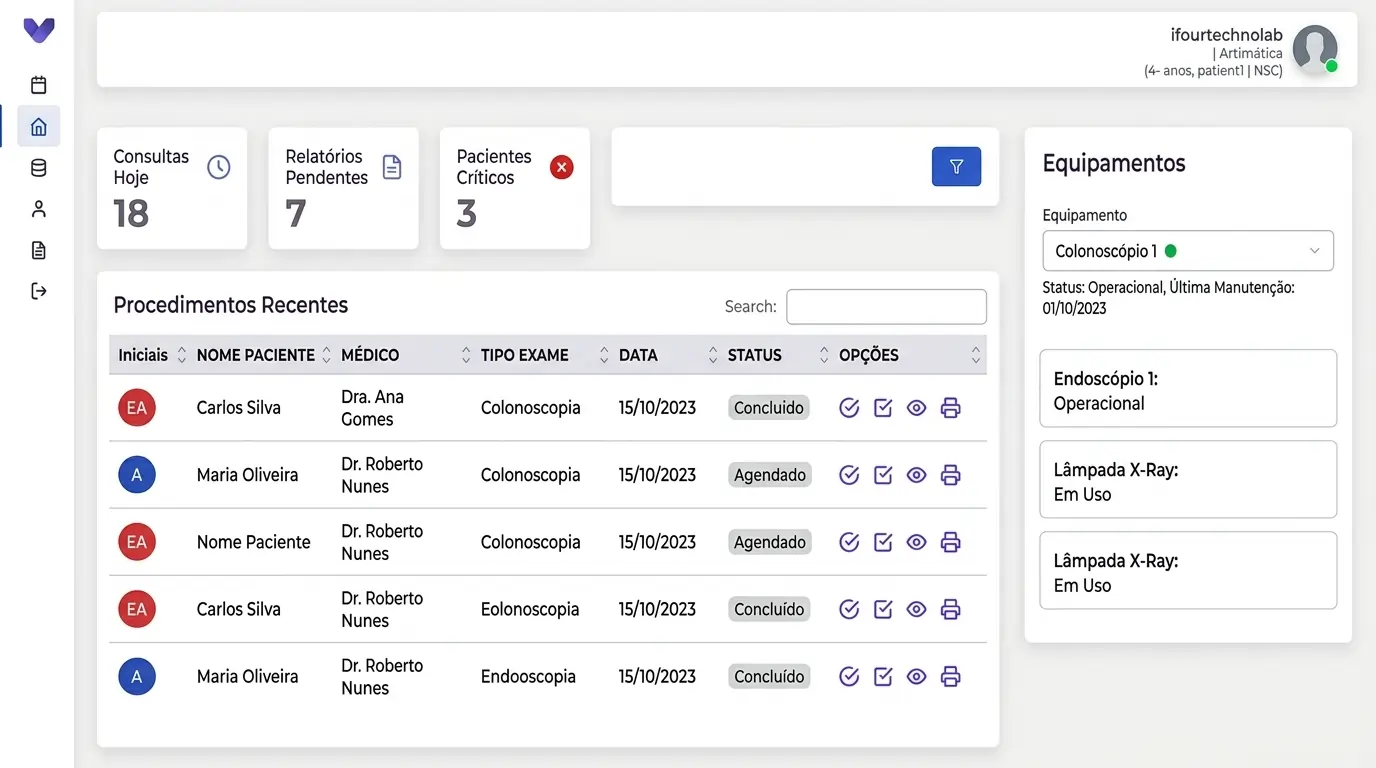
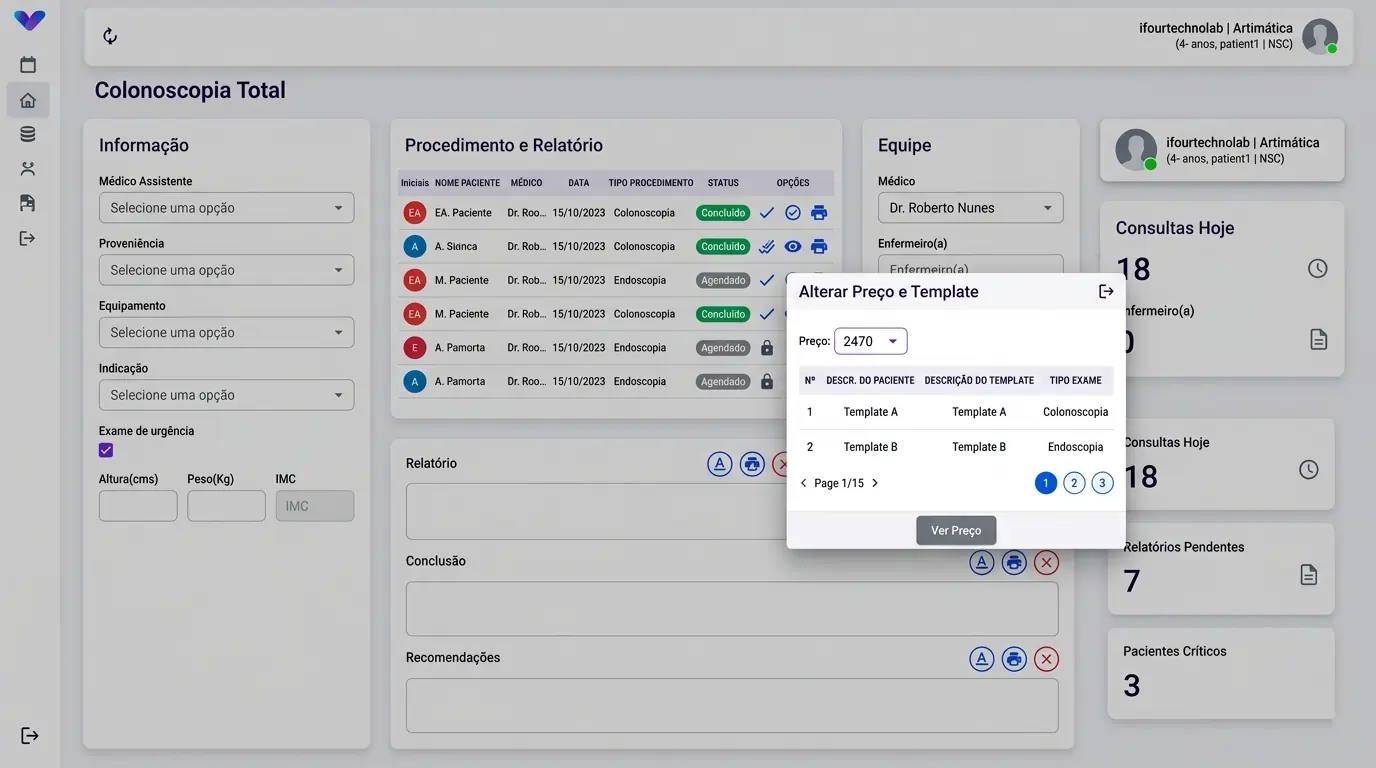
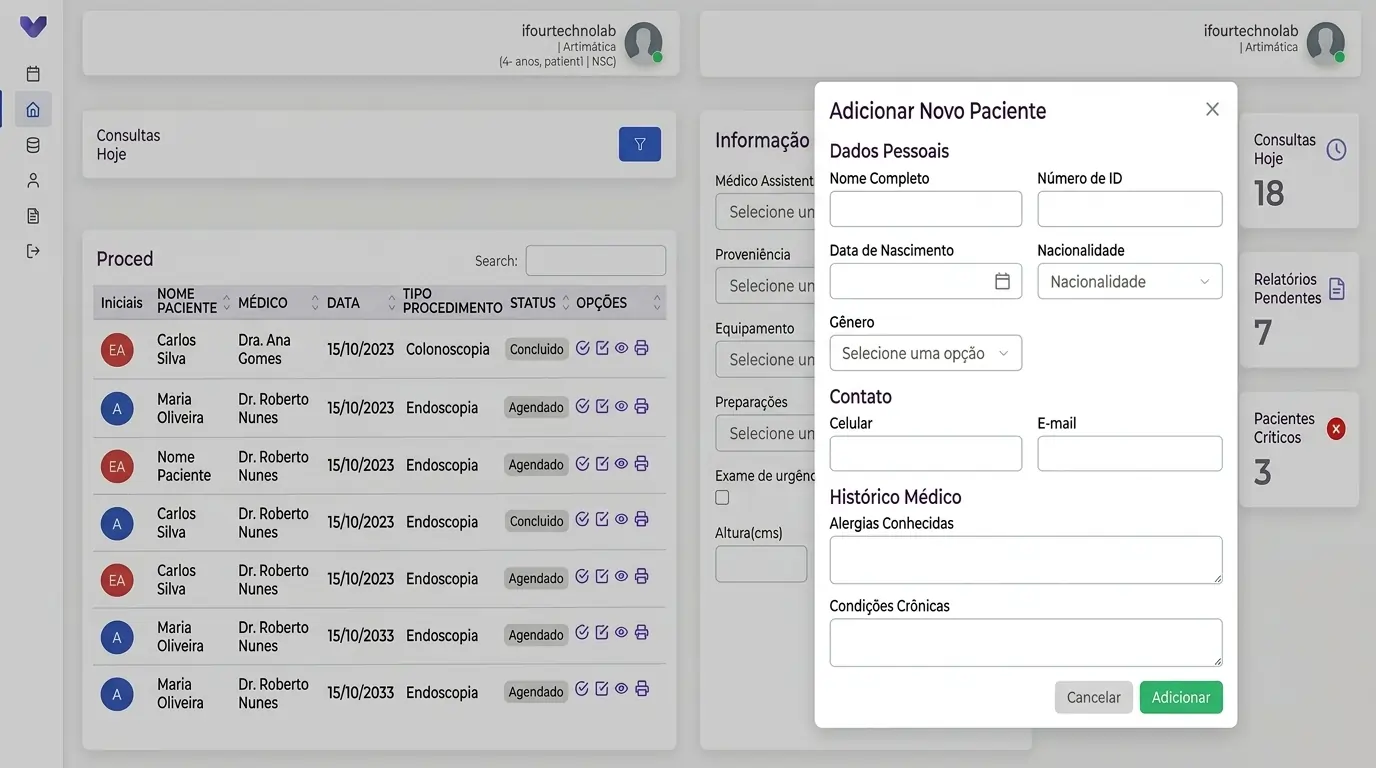
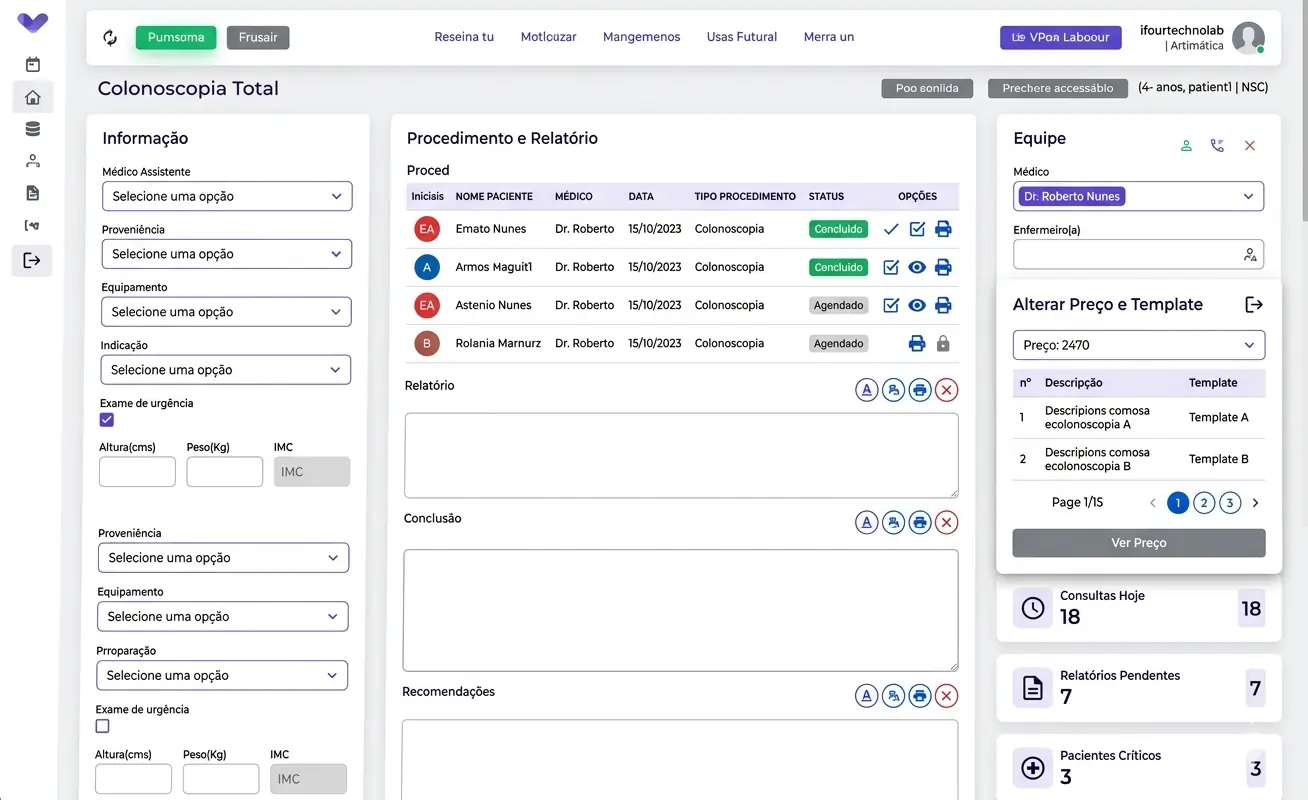
The client identified several operational challenges in existing hospital workflows:
Reliance on paper-based records leading to data fragmentation
No centralized system for patient information, images, reports, and medical history
Difficulty in scheduling appointments and tracking treatment plans
No single system for recording medicines, equipment, consumables, and types of exams
No way to share information between providers and with other medical professionals
They required a unified healthcare platform, such as a web-based healthcare system, to unify patient care.
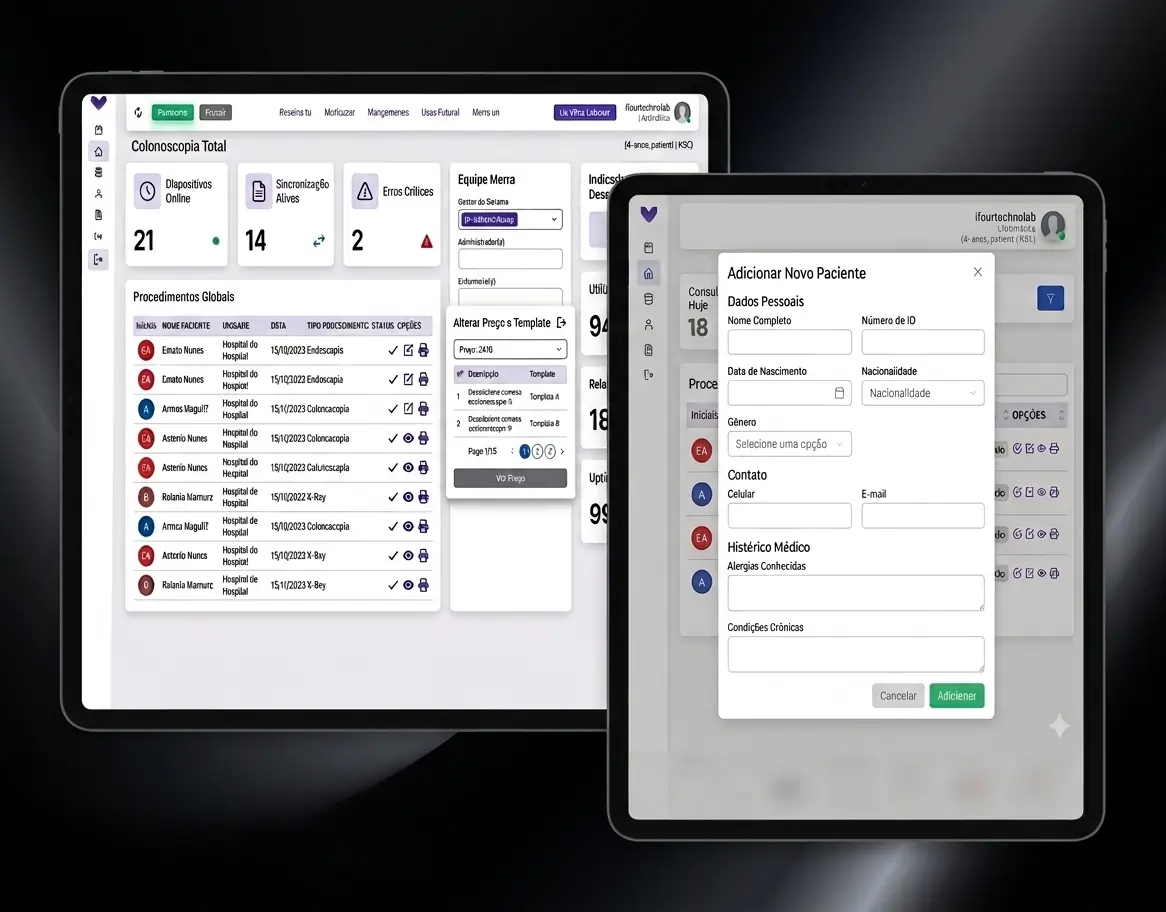
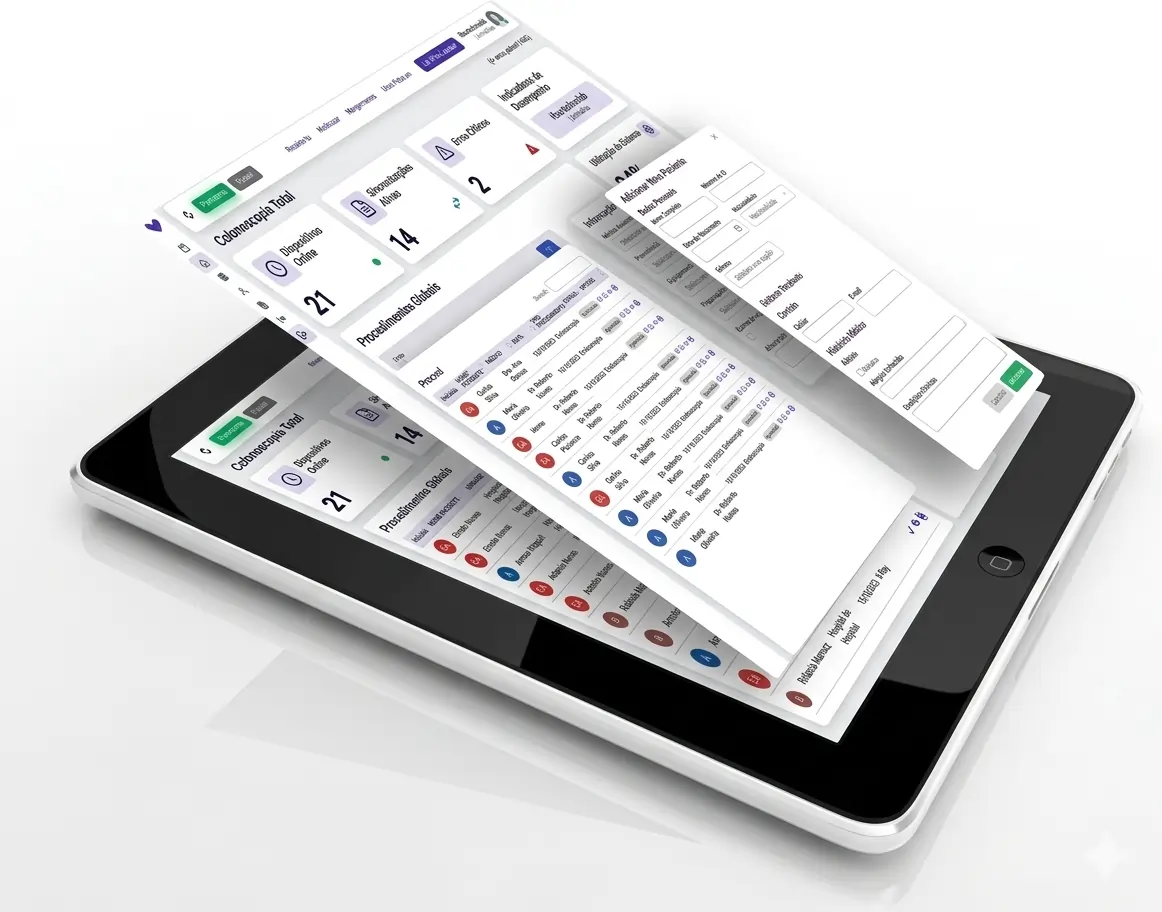
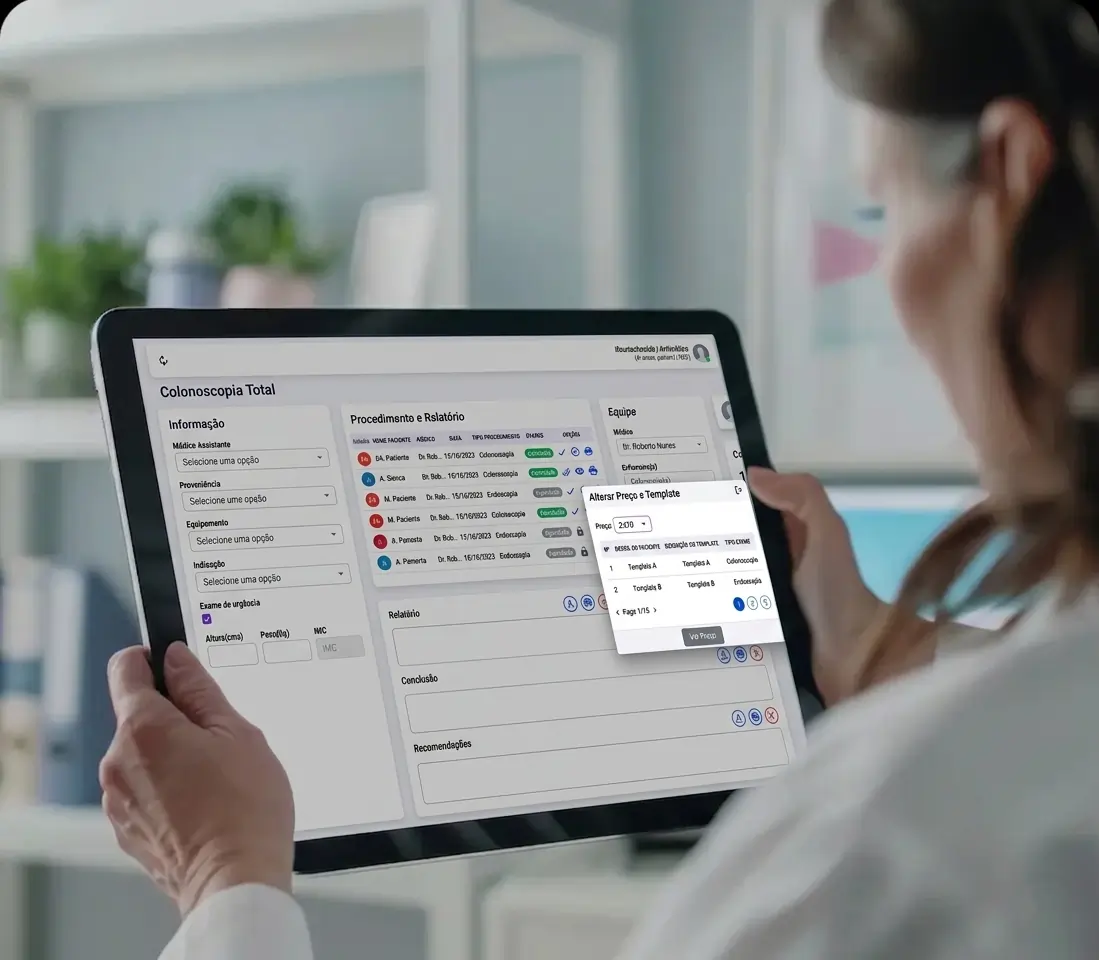
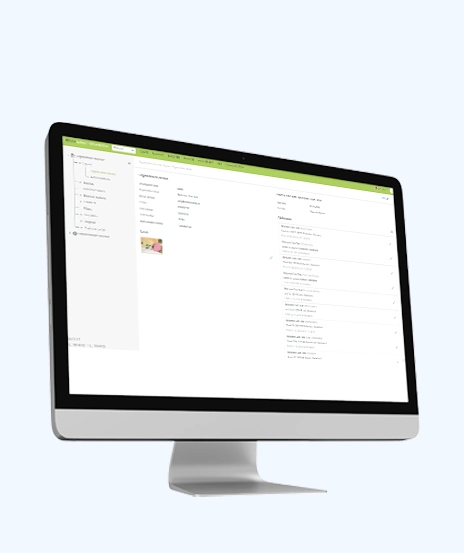
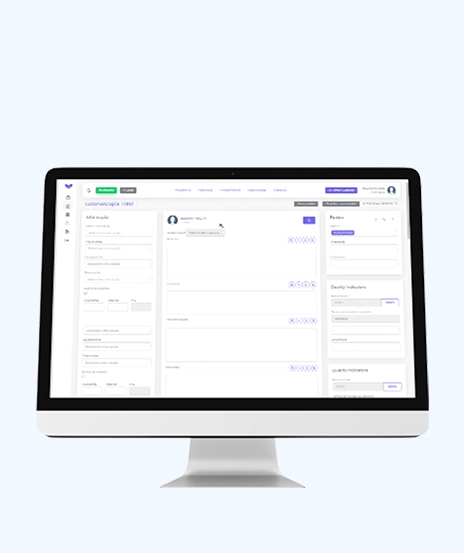
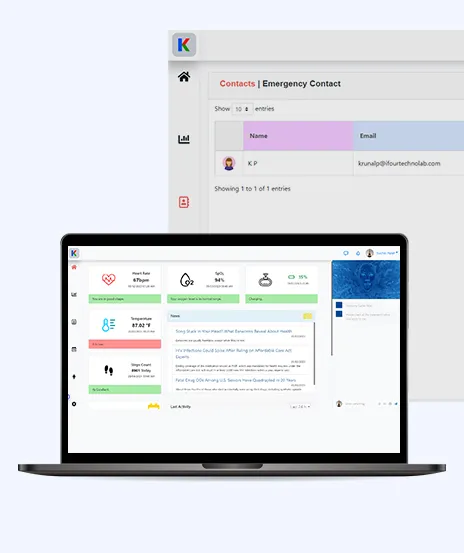
We built a web-based Patient Management System that consolidates patient information and makes data easier to understand.
The modern Patient management software included the following key modules:
Security and compliance were foundational—not an afterthought.
The system was built for security, EHR transparency, and reliability.
The Patient Management System delivered tangible operational improvements:

The Patient Management System changed the way hospitals work by moving from paper to a platform.
Plus, the system could communicate with external healthcare networks, removing the wall that had long separated the client's hospital partners from broader medical collaboration.
Want to build a web-based healthcare system for clinics that unifies care? Talk to iFour, a leading Healthcare AI consulting firm in the Netherlands.
The system has been deployed using a structured methodology to ensure that there is minimal disruption to the operations of healthcare environments.
The support includes performance improvements, feature enhancements, and updates to ensure that the system is stable and can adapt to changing healthcare environments.


We encourage you to contact us with any questions or comments you may have.

Take a look at our latest projects, where digital transformation comes to life.

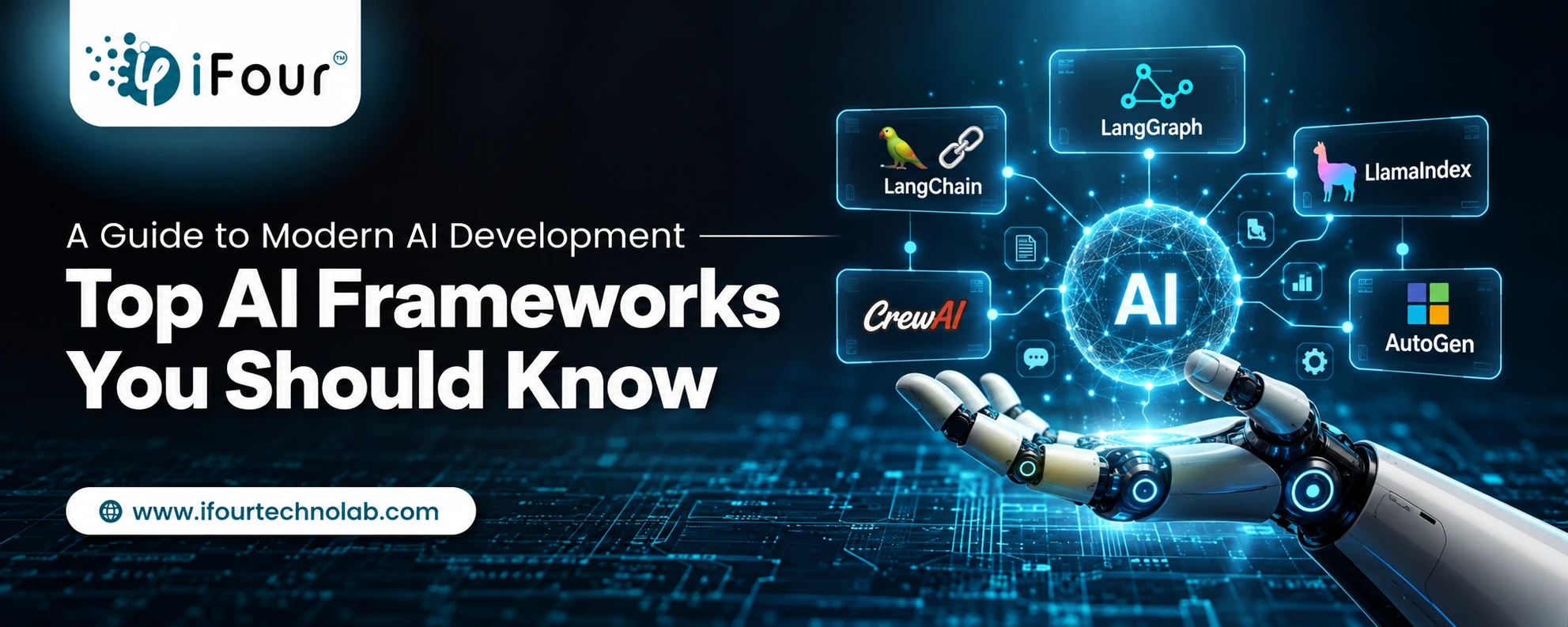
Quick Summary: Choosing the right AI framework depends on your goals. TensorFlow and PyTorch are ideal for deep learning, while LangChain, LlamaIndex, AutoGen,...
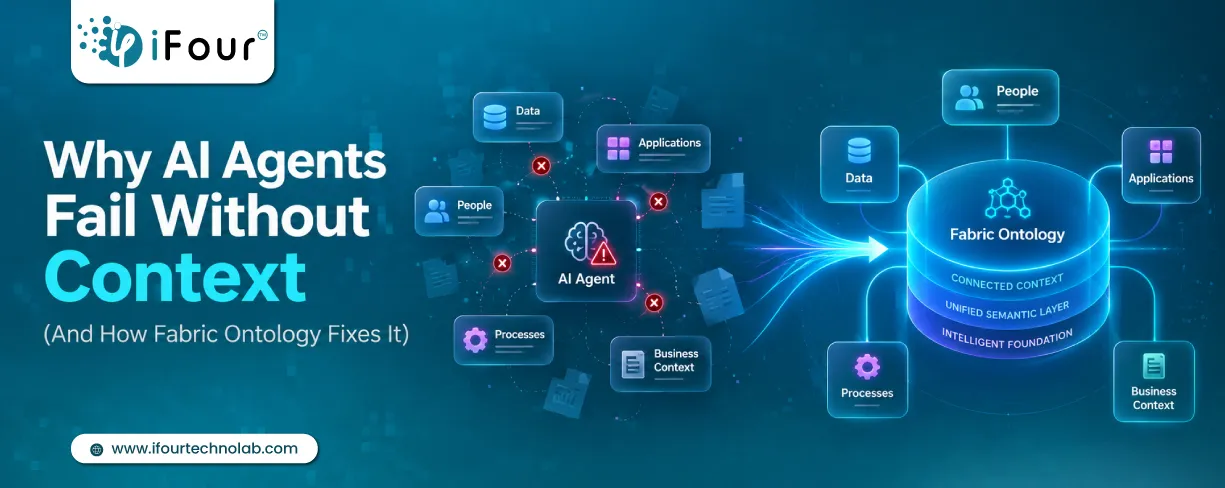
Quick Summary: AI agents don't fail because they lack intelligence. They fail because they lack business context. Enterprise data often contains information but not meaning. Fabric...

Quick Summary Lawyers use AI to research faster, draft/review contracts, review large documents, track compliance, and automate legal workflows. However, they must verify...